






































What’s latest in countertop trends?

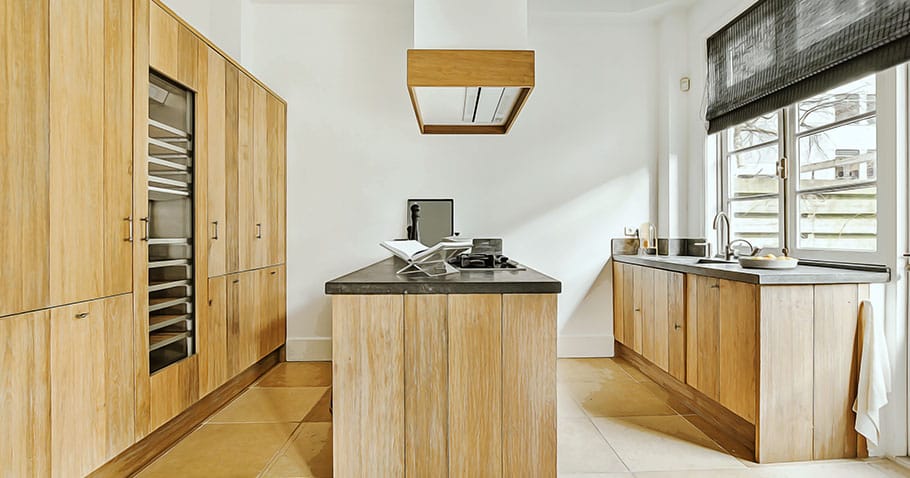
The popularity of quartz kitchen countertops continues growing as homeowners discover the combination of natural stone appearance with engineered durability and stain resistance that traditional materials cannot match. Understanding current trends helps homeowners make informed decisions that balance personal style preferences with practical considerations including budget, maintenance requirements, and long-term value. Whether you’re planning a complete kitchen renovation or simply updating countertops to refresh your space, staying current with design trends ensures your investment remains stylish and relevant for years to come. The latest innovations blend aesthetic appeal with technological advances that enhance performance, offering more options than ever for creating beautiful, functional spaces that reflect individual tastes and lifestyle needs.
Dramatic Veining and Bold Patterns
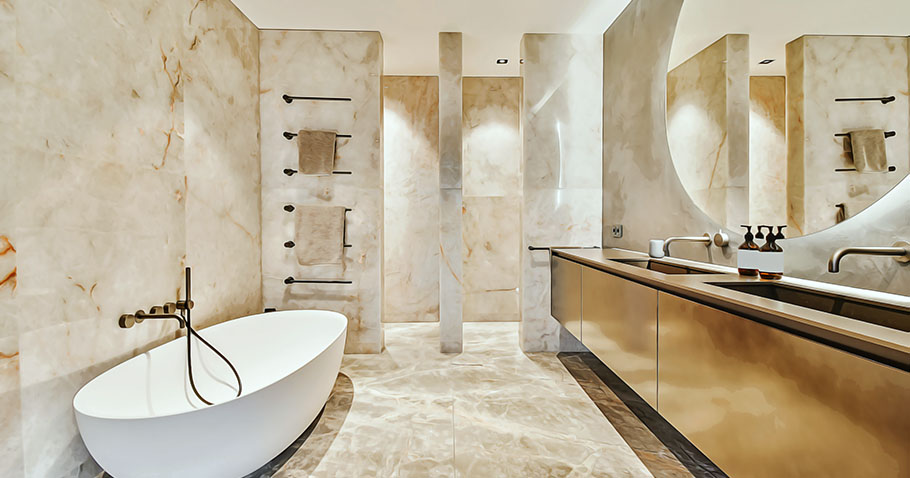
One of the most significant shifts in countertop preferences involves embracing dramatic veining and bold patterns that create focal points rather than receding into background neutrality. Thick, prominent veining reminiscent of Calacatta and Statuario marble has become highly sought after, with manufacturers creating engineered surfaces that replicate these luxury looks at more accessible price points. The trend extends beyond simply choosing veined materials to strategically placing slabs to showcase the most dramatic patterns, treating countertops as art installations rather than merely functional elements. Bookmatching techniques where adjacent slabs mirror each other create symmetrical patterns that emphasize natural beauty and add sophisticated visual interest.
Waterfall edges extending countertop materials down cabinet sides showcase full-slab patterns and create seamless, contemporary appearances. Homeowners increasingly select countertops specifically for their unique veining characteristics, viewing each slab as one-of-a-kind rather than seeking uniform, predictable appearances. This movement toward celebrating natural variation represents a departure from previous preferences for consistent, subtle patterns that blended into overall kitchen designs. The bold pattern trend works particularly well in minimalist kitchens where dramatic countertops provide visual interest without competing with busy cabinetry or excessive decorative elements.
Warm and Earthy Color Palettes
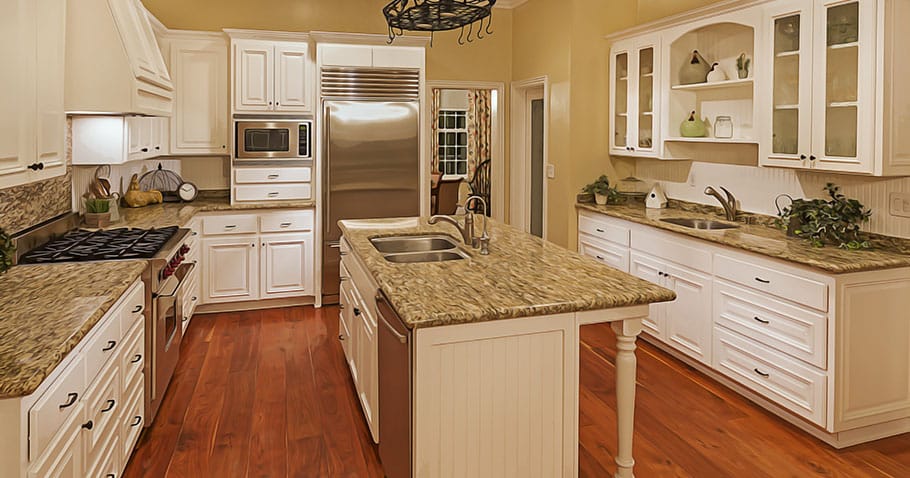
While white and gray countertops dominated kitchens for the past decade, the pendulum has swung toward warmer, more organic color palettes that create inviting, comfortable spaces. Beige, cream, tan, and taupe tones in various materials provide warmth without the stark coldness of pure white or the industrial feel of gray. Warm neutrals complement the resurgence of natural wood cabinetry and brass or gold hardware that define contemporary kitchen aesthetics. Terracotta-inspired hues, warm browns, and sand tones connect indoor spaces with natural outdoor environments, reflecting broader design movements toward biophilic design principles. Even within traditionally cool materials, homeowners select warmer undertones rather than the icy grays that previously dominated.
Matte and Honed Finishes
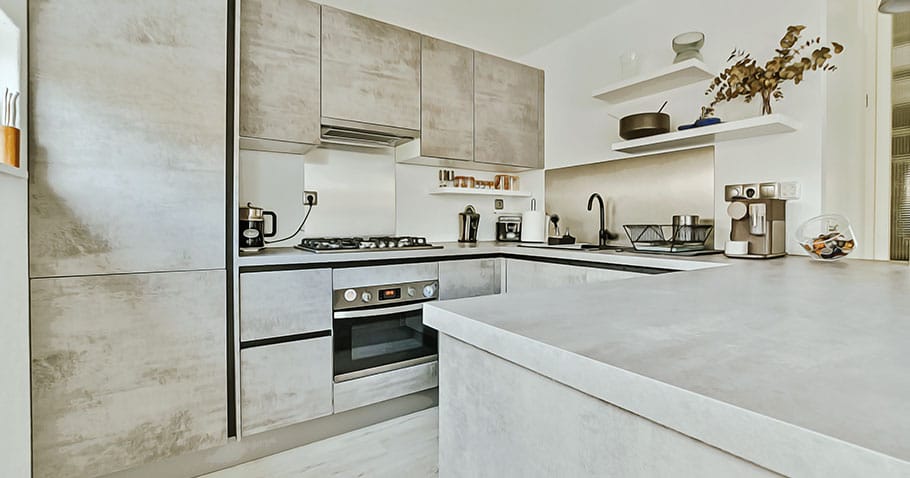
Glossy, polished countertop finishes have given way to matte and honed surfaces that offer sophisticated, understated elegance while providing practical advantages. Matte finishes hide fingerprints, water spots, and minor scratches better than polished surfaces, reducing visible maintenance demands in busy kitchens. The texture variation between matte countertops and polished backsplashes or cabinet hardware creates visual interest through contrast rather than relying solely on color or pattern. Honed finishes on natural stone provide soft, velvety appearances that feel luxurious to touch while maintaining the organic character of the material.
Leather finishes on granite countertops Rockville offer subtle texture that adds dimension without the high maintenance requirements of polished surfaces in active households. The trend toward matte extends across all countertop materials including quartz, marble, concrete, and solid surface products. Some homeowners combine finishes within the same material, using polished edges with honed field surfaces for visual interest. The matte movement reflects broader design trends favoring organic, natural aesthetics over shiny, artificial appearances. Practical considerations drive adoption as well, with parents and busy cooks appreciating surfaces that maintain their appearance despite heavy use. The tactile quality of matte surfaces engages more senses than purely visual polished finishes, creating richer sensory experiences in spaces where people spend significant time.
Thick and Statement Edge Profiles
Countertop edge profiles have evolved from simple rounded or beveled edges to thick, dramatic profiles that make bold architectural statements. Mitered edges creating thick appearances from standard slabs satisfy desires for substantial, luxury looks without the weight and cost of genuinely thick materials. Waterfall edges extending countertop materials vertically down island ends or cabinet sides create seamless, sculptural elements that define contemporary kitchen design. Ogee and other decorative edge profiles that were popular decades ago have returned in updated forms that reference traditional details while maintaining modern sensibilities. Chiseled or rough-hewn edges provide organic, natural appearances that contrast beautifully with sleek, polished field surfaces.
Sustainable and Recycled Materials
Environmental consciousness increasingly influences countertop selections, with homeowners seeking materials that minimize ecological impact through recycled content, local sourcing, or sustainable harvesting. Recycled glass countertops containing post-consumer glass in resin or cement binders create colorful, unique surfaces while diverting waste from landfills. Recycled paper composite countertops compressed with resin provide durable, renewable alternatives to petroleum-based solid surface materials. Locally quarried stone reduces transportation environmental costs while supporting regional economies and providing materials adapted to local aesthetic preferences. Reclaimed wood countertops salvaged from old buildings or fallen trees give new life to materials that would otherwise become waste. Certification programs including Greenguard and Cradle to Cradle help environmentally conscious consumers identify countertop materials meeting specific environmental and health standards.
Mixed Materials and Creative Combinations
Homeowners increasingly combine different countertop materials within single kitchens rather than maintaining uniform surfaces throughout, creating visual interest and optimizing each material’s strengths. Islands often feature different materials than perimeter countertops, with dramatic marble or quartzite islands contrasting with practical quartz perimeter surfaces. Butcher block sections integrated into stone countertops provide warm, functional prep areas perfect for chopping and food preparation. Metal countertop sections including stainless steel or copper create professional chef-inspired work zones while adding industrial aesthetic elements. Concrete countertops pair beautifully with wood or stone, creating textural contrasts that define different kitchen zones.
Minimalist and Seamless Integration
Contemporary design increasingly favors seamless integration where countertops, backsplashes, and even wall surfaces blend together creating continuous, uninterrupted expanses. Full-height backsplashes extending countertop materials all the way to upper cabinets or ceilings create dramatic, cohesive appearances. Integrated sinks fabricated from the same material as countertops eliminate visual breaks and simplify cleaning by removing the seam where debris accumulates. Undermount sinks paired with material backsplashes create similar seamless effects while allowing different sink materials.
Smart Surface Technologies
Innovation in countertop technology introduces features beyond traditional durability and appearance considerations, incorporating antibacterial properties, charging capabilities, and enhanced performance. Antibacterial surfaces incorporating silver ions or other antimicrobial agents reduce bacteria growth on food preparation surfaces, addressing hygiene concerns. Integrated charging pads built into countertops eliminate visible cords while keeping devices powered in convenient locations. Heat-resistant surfaces that withstand direct contact with hot pots expand beyond traditional limitations of some engineered materials. Stain-resistant treatments and sealers protect porous materials while maintaining natural appearances. Self-healing surfaces that minimize the appearance of minor scratches through chemical or thermal reactions extend aesthetic lifespan.
Conclusion
Specialized tools for cutting, polishing, and installing different materials mean that professionals achieve superior results compared to amateur attempts. Working with experienced granite countertop installers Potomac and other material specialists ensures proper techniques for each specific material type, as installation best practices vary significantly between quartz, natural stone, concrete, and other options. Quality installation includes proper sealing when required, appropriate adhesives for different materials, and attention to details including backsplash integration and edge finishing. Professional installers stay current with new materials and techniques, providing expertise that protects homeowners’ significant countertop investments while achieving the stunning results that transform kitchens into beautiful, functional spaces reflecting current design trends and personal style preferences.